philosophy
"A rug's placement speaks to the aesthetic intellect of a rug owner"
Our Heritage
The Woven Arts is an entity with a penchant for the centuries old woven craft which is where we come from. It reflects our origins that helped create this unique identity you all see today. It is what allows us to identify and curate a unique assortment of rugs that are authentic and distinguishable by design, a collector's item at competitive prices. In a world clinging to technology and consumerism, an elegantly hand-crafted piece occupies a special place given its rich historical lineage. They are an essential hallmark of heritage passed on by artisans everywhere from one generation to another, something we believe deserves recognition and mutual respect. It is these handmade products with their wicked imperfections, unusual styles and unique techniques that nourish the soul of any space they occupy be it a room or a home.
Excellence / Quality / Value — We Believe In Nothing Less
The Art of Selection
To arrive at a design decision, it is important that you keep asking yourself the right questions in order of priority — starting with: Why is this rug being bought? The design of any rug tends to convey a perception of your style, the ambience you're going for and the kind of taste you generally have in life. It is a representation of your aesthetic beliefs translated by patterns, motifs, shapes etc.
Curvilinear
Most tend to be intricate and floral-inspired. Curvilinear patterns find their best expression in classically furnished rooms. The more ornate and intimately decorated the surroundings, the stronger the impact a curvilinear rug will have.
Best For
Classically furnished, ornate, and intimately decorated rooms
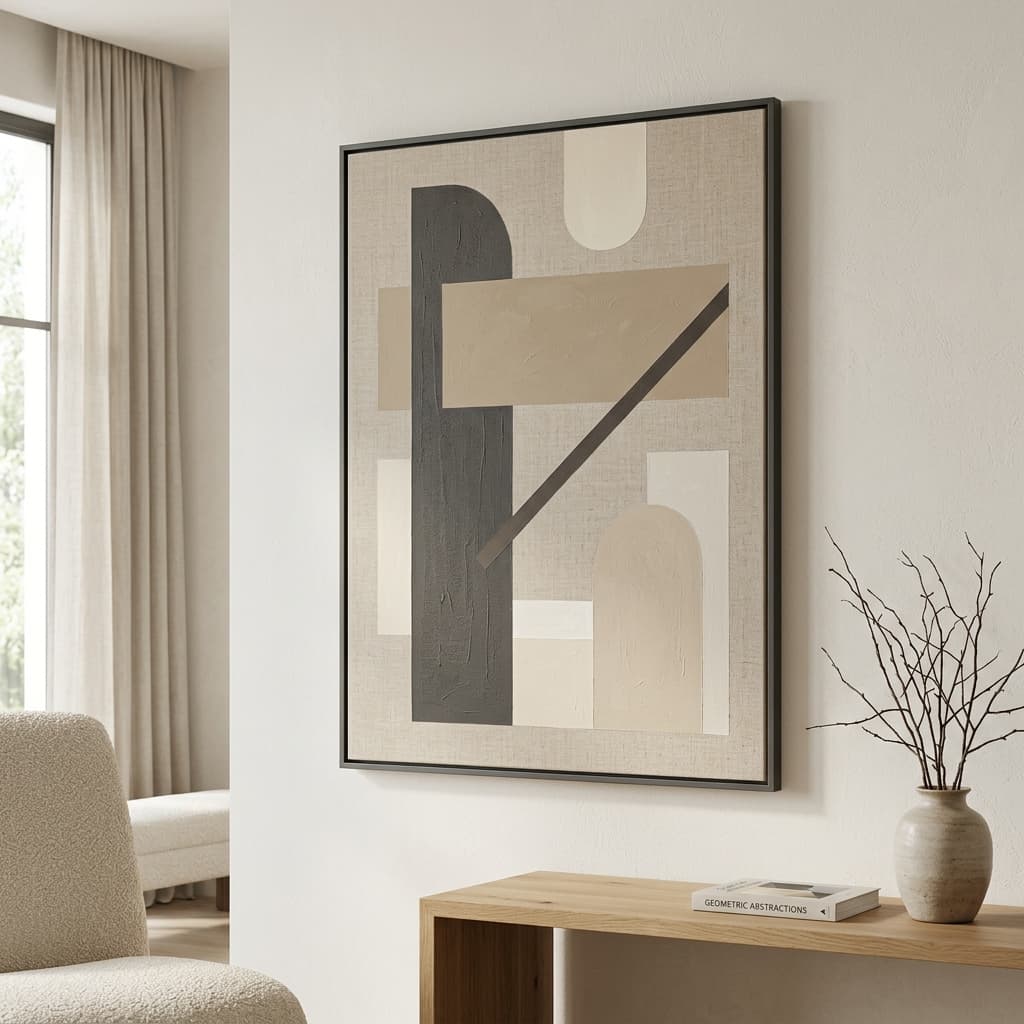
Geometric
One of the more acclaimed patterns around the world, their popularity resides in their compatible nature across several kinds of decor. They make a statement and capture your attention with style.
Best For
Scandinavian, Bauhaus-inspired, and classically furnished rooms (with matching tones)
Repeating
Employs a single motif or group of motifs repeating throughout the length and breadth of the rug. Even in intricate Persian designs, the repeat is done so elegantly they appear the same from every angle.
Best For
Corridors, staircases, lobbies, living rooms — areas suited to runner sizes
Centralized
The hallmark is the positioning of a large, single motif at the center — usually a medallion. The beauty sparkles especially well when it relies on the balance between the focal motif and the surrounding design.
Best For
Center of a room where it can be the center of attraction
Vertical and Horizontal
An easily recognized pattern due to its unilateral nature. Rugs with this design need to be seen from an angle for maximum effect. The visual impact deteriorates when viewed upside-down.
Best For
Wall-hangings or small sized carpets in private spaces with extremely limited viewing
Craft & Materials
Understanding the foundation of our masterpieces.
Types of Fibres
Constructions
The Rug Guide
Tips for caring and understanding the language of weaving.
Care Instructions
Sunlight Exposure
Ensure the carpet is not exposed to extended durations of sunlight. Handmade textiles do not require constant exposure to the sun as this can lead to colour fastness wherein the colours of the rug fade faster than usual. As a rug ages, its colours tend to gradually fade giving it the antique appearance of a collectible.
Wear and Tear
Wear and tear is a commonly occurring phenomenon with hand woven carpets especially if they are placed under a coffee table, sofa, armchair etc. Shift the furniture every now and then as it allows the pile to stand up straight maintaining its original form thereby keeping the rug intact for longer.
Fringes
Fringes are extensions of the warp that are carefully tied into a knot to prevent displacement of the yarn. Proceed with caution — once unravelled, they permanently hamper the rug unless attended to in a timely fashion. Do not use any form of residential or industrial adhesive. If the carpet has incurred damage, it'll immediately require restoration work best left to skilled professionals.
Spills
A liquid spill demands immediate attention. Gently apply an absorbent paper towel and gradually increase pressure. Once complete, use dry paper towels to squeeze out the liquid. Spirits and sugar-containing beverages need a damp sponge dipped into a warm detergent solution, working from the surface of the pile inwards around the edge of the spill. The sponge should be damp, not drenched. Do not rub or scrub the surface.
Terminology
Abarash
An effect observed in the colour(s) of a rug which is largely by design. Occurs when the yarn is dyed both intensively and lightly at different areas of the same hank, usually in two to three shades of the same family of colours. This produces light spots and subtle shading differences in the carpet, appearing white in colour — essentially parts of the yarn.
Action Back
A net like backing applied to flat weave area rugs or wall to wall carpets. Usually considered as a primary backing on top of which there is another layer of cotton cloth applied — a practice more relevant in hand tufted rugs.
All-Over Design
Rugs that contain designs where the pattern is consistent throughout the rug. Generally seen in Persian designs which have features like a central motif or medallion. The Herati pattern, often seen in Persian style hand knotted carpets, is a common example.
Antique Wash
A washing technique implemented to make a rug appear as though it has been restored after several decades/centuries, giving it an old and faded look.
Art Silk
Stands for artificial silk, also known as "bamboo viscose." A popular fabric for yarn used industry wide. Due to popularity and distribution networks, the fabric has come under scrutiny as inferior qualities are known to masquerade as real silk.
Background Colour
Implies the shade used in the ground of the rug. There are two colour references: the shades used at the base of a design (the majority portion) and the set of colours used for the motifs/patterns. For Persian style designs, common background colours are maroon, yellow, blue or beige. For contemporary designs: grey, beige, sand, pewter and other monotone varieties.